Dock and Pier Cleaning for Waterfront Homes: Why Slippery Growth Comes Back Fast
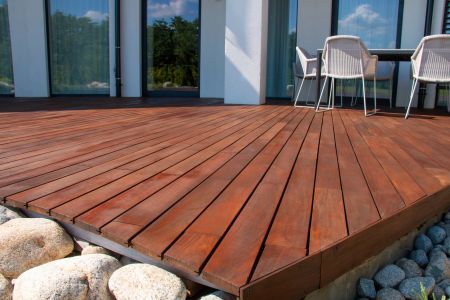
Waterfront living in Lancaster County, VA is hard to beat, but the slick film that keeps coming back on your dock or pier can be a real safety risk. If you are tired of green slime and muddy streaks, it helps to understand what causes the quick return and how professional dock and pier cleaning keeps surfaces safer for longer.
The short version is this: our rivers and creeks feed constant moisture and organic material onto boards, floats, and ladders. That mix fuels fast growth, especially after warm, humid spells. Knowing the pattern lets you plan cleanings around Lancaster County’s seasons so you get better results that last.
What Makes Docks In Lancaster County Get Slippery So Fast
From Windmill Point to Carter Creek and the Corrotoman, we sit where fresh and salt water mix. That brackish blend is rich with life. It sticks to surfaces and spreads quickly when the weather cooperates.
- Warm, humid air and frequent dew keep boards damp long enough for algae and mold to anchor.
- Tides, wakes, and wind-blown spray re-wet the same zones day after day, creating a “splash band” where growth explodes.
- Spring pollen and leaf litter act like fertilizer on shaded planks and steps.
- Porous wood and textured composites trap a microscopic film that feeds new growth even when the deck looks clean.
It is not just the surface you see. **Algae starts as an invisible biofilm** that hides in grain lines, screw heads, and small cracks. Unless that film is treated correctly, it re-colonizes fast.
The Science Behind Biofilm And Fast Regrowth
Algae, mildew, and bacteria form a thin, sticky layer that protects them from sunlight and quick rinses. Spores ride in on tides and rain, stick to that layer, and multiply. Every splash adds more nutrients. If the biofilm is only blasted at the top or smeared around, it rebounds quickly, which is why some docks feel slick again within weeks.
Surface texture matters too. Weathered boards have tiny grooves and raised fibers that hold moisture and shade. Composite planks can also host film where dust, sunscreen, and fish residue collect. **Shaded slips stay wet longer** and grow faster than sun-baked fingers or open platforms.
Why Professional Pressure Washing Is Different Near The Bay
Waterfront structures are not sidewalks. They need a soft, targeted approach that removes biofilm without roughing up the surface or sending harsh runoff into the creek. That is why professional teams use low pressure with the right marine-safe detergents, controlled dwell time, and thorough rinsing that clears pores instead of shredding fibers.
Our area also demands care for pilings, fasteners, and nearby boat hulls. A skilled crew protects wiring, lifts, cleats, and lighting while they clean. **Never use harsh chemicals around open water** that could harm marine life or stain metals. The goal is a dock that looks good, grips underfoot, and holds that clean longer.
If you want a quick overview of methods and to size up your next service, start at the source with dock and pier cleaning insights from a local team that works on these conditions every day.
Timing Your Cleanings Around Lancaster County Weather
Our local climate has rhythms that drive growth. Aim your schedule to interrupt those patterns and you will notice fewer slippery mornings.
- Late winter to early spring: a pre-season wash clears winter film before pollen piles on.
- Mid to late summer: heat, storms, and heavy traffic create the slickest months; a mid-season service protects family and guests.
- Early fall: after big rains or a nor’easter, a light follow-up helps reset high-splash zones and ladder rungs.
Local insight: On shaded creeks and coves, splash bands re-wet boards many times a day. Scheduling service soon after a run of stormy, high-humidity days reduces re-growth because you reset the biofilm before it thickens.
Traffic matters too. Busy weekends in Irvington or White Stone mean sunscreen, fish residue, and grit ground into the grain. High-use boards need more frequent attention than far, unused fingers.
Protecting Wood, Composite, And Hardware
Different materials respond in different ways. Soft-washing protects older lumber and treated pine by lifting film out of the grain without carving it. On composite boards, the right cleaner breaks down grime that clings to texture and cap layers. Ladders, cleats, and lift motors need shielding so cleaners and spray do not corrode finishes or force water where it does not belong.
Rinse patterns matter around galvanized and stainless hardware. Cleaned correctly, you avoid tea-staining on stainless and the chalky film that can show up on aluminum frames. The result is a safer walking surface and hardware that keeps its look longer.
Signs Your Dock Or Pier Needs Service Again
You do not have to wait for a full green carpet to come back. Watch for small cues and schedule before things get slick.
- Shiny patches on shaded boards that feel greasy underfoot
- Dark halos around screws or knots where moisture lingers
- Slippery ladder rungs and first step boards in the splash zone
- Green film returning within a few weeks after heavy rain or high tides
Early action protects your family and guests. **Slippery boards cause falls** and can turn a simple afternoon on the water into a long recovery.
A Smarter Maintenance Rhythm For Waterfront Homes
Every shoreline is different, but most Lancaster County docks do well with a deep, eco-minded service before peak season, a targeted in-season refresh for the splash zone and high-traffic boards, and a light post-storm reset as needed. Sunny, breezy sites on open water often stretch longer between visits than shaded docks tucked into creeks.
When you book with VA Power Wash Pros, you get local know-how shaped by our rivers and bays. We plan the work around tides, shade patterns, and traffic so results last. For scheduling or quick questions, call 804-443-7809.
Want to see what that looks like in practice for your shoreline? Explore our approach to dock and pier cleaning and how eco-friendly methods protect people, boards, pilings, and marine life.
Why Slippery Growth Keeps Coming Back After A “Good Wash”
It is common to think a hard rinse solved the problem, only to find the slick feeling return. High pressure can smooth fibers flat, which looks clean, but it leaves biofilm tucked in the grain and creates more micro-roughness for spores to grab next time. Detergent-only passes can also miss the deeper film if dwell time or coverage is uneven.
The fix is not “more pressure” but the right pairing of cleaner, gentle agitation, and complete rinsing. Done right, this clears the base layer and slows the rebound. **The goal is a safer, longer-lasting clean**, not just a quick color change.
Safety First On Busy Weekends
Plan cleaning before a big gathering so boards dry completely. Keep kids and guests off wet boards, especially early mornings when dew forms. Post small reminders at the top of ramps and near ladder landings so your crew remembers that first step may still be damp after a passing storm.
Choose The Local Team That Cleans With The Bay In Mind
From Kilmarnock and Irvington to White Stone and Weems, waterfront homes face the same cycle of splash, shade, and summer humidity. VA Power Wash Pros uses eco-friendly methods tailored to these waters so your dock looks good and feels secure underfoot.
Ready to break the cycle of fast regrowth and enjoy a safer surface this season? Book your service with our team and see how a smarter process makes the difference. Call 804-443-7809 or learn more about our dock and pier cleaning service today.
TRUST YOUR NEXT PRESSURE WASHING PROJECT WITH VA Power Wash Pros